
The 'Clean Books' Checklist: 5 Things Your Accountant Wishes You'd Do
Let's be honest for a second. When tax season rolls around, there's a good chance your accountant has seen some things. Shoeboxes full of crumpled receipts. Bank statements that haven't been opened since… ever. Personal expenses mixed in with business purchases like some kind of financial smoothie nobody asked for.
Here's the thing: your accountant isn't judging you. But they are silently hoping you'll make their job a little easier, and in the process, make your own life way less stressful.
Clean books aren't just about keeping your accountant happy (though that's a nice bonus). They're about giving yourself clarity, avoiding costly mistakes, and setting your business up for smarter decisions. The good news? It doesn't have to be complicated.
Here are five things your accountant genuinely wishes you'd do, and why each one matters more than you might think.
1. Separate Your Personal and Business Finances (Like, Actually Separate Them)
This one tops the list for a reason. It's the single most important thing you can do for your bookkeeping, and yet it's the thing so many business owners skip or half-do.
When personal and business expenses live in the same account, everything gets messy. Your accountant has to play detective, sorting through transactions to figure out what's deductible and what's just your Tuesday night takeout. It takes longer, costs more, and increases the chance of errors.
What clean books look like:
- A dedicated business bank account (checking and savings, if needed)
- A separate business credit card for all business purchases
- No "borrowing" from one account to cover the other without documenting it properly

It sounds simple, but the ripple effects are huge. Clean separation means cleaner reports, easier tax prep, and a much stronger position if you ever face an audit. The IRS loves to see clear boundaries between you and your business. Give them what they want.
2. Save Your Receipts, And Actually Organize Them
We get it. Receipts are annoying. They fade, they get lost, they multiply in your wallet like some kind of paper virus. But here's the reality: without receipts, your deductions are just… claims. And claims without backup can disappear real fast if the IRS comes knocking.
The good news is that "saving receipts" doesn't have to mean hoarding paper anymore. Digital is your friend here.
What your accountant wishes you'd do:
- Snap a photo of every business receipt the moment you get it
- Use an app or cloud folder to store them by month or category
- Keep receipts for anything over $75 (though honestly, keeping all of them is safer)
- Don't rely on bank statements alone, they show that you spent money, not what you bought
A little organization now saves a lot of scrambling later. And when your accountant asks for documentation? You'll actually have it.
3. Reconcile Your Accounts Monthly (Yes, Every Month)
Bank reconciliation is one of those tasks that feels tedious until you realize what it prevents: missed transactions, duplicate entries, fraud you didn't catch, and reports that don't reflect reality.
Reconciling means comparing your internal records (your bookkeeping software, spreadsheet, whatever you use) against your actual bank and credit card statements. The goal is to make sure everything matches: and to investigate when it doesn't.

Why monthly matters:
- Catching errors early is way easier than untangling six months of mistakes
- You'll spot unauthorized charges before they become bigger problems
- Your financial reports will actually be accurate (imagine that)
- Tax time won't feel like an archaeological dig
If you're not reconciling monthly, your books might look fine: but they could be hiding some ugly surprises. This is one of those "trust but verify" situations. Verify your numbers.
4. Categorize Transactions Correctly (and Consistently)
Here's a scenario that plays out more often than you'd think: a business owner categorizes the same type of expense three different ways over the course of a year. Office supplies become "supplies" in January, "materials" in June, and "miscellaneous" in October.
The result? Reports that don't make sense, deductions that get missed, and an accountant who has to re-categorize everything before they can do anything useful.
The fix is straightforward:
- Set up a clear chart of accounts with categories that make sense for your business
- Use the same category every time for the same type of expense
- When in doubt, ask your accountant how they'd prefer you categorize something
- Review your categorizations periodically to catch mistakes
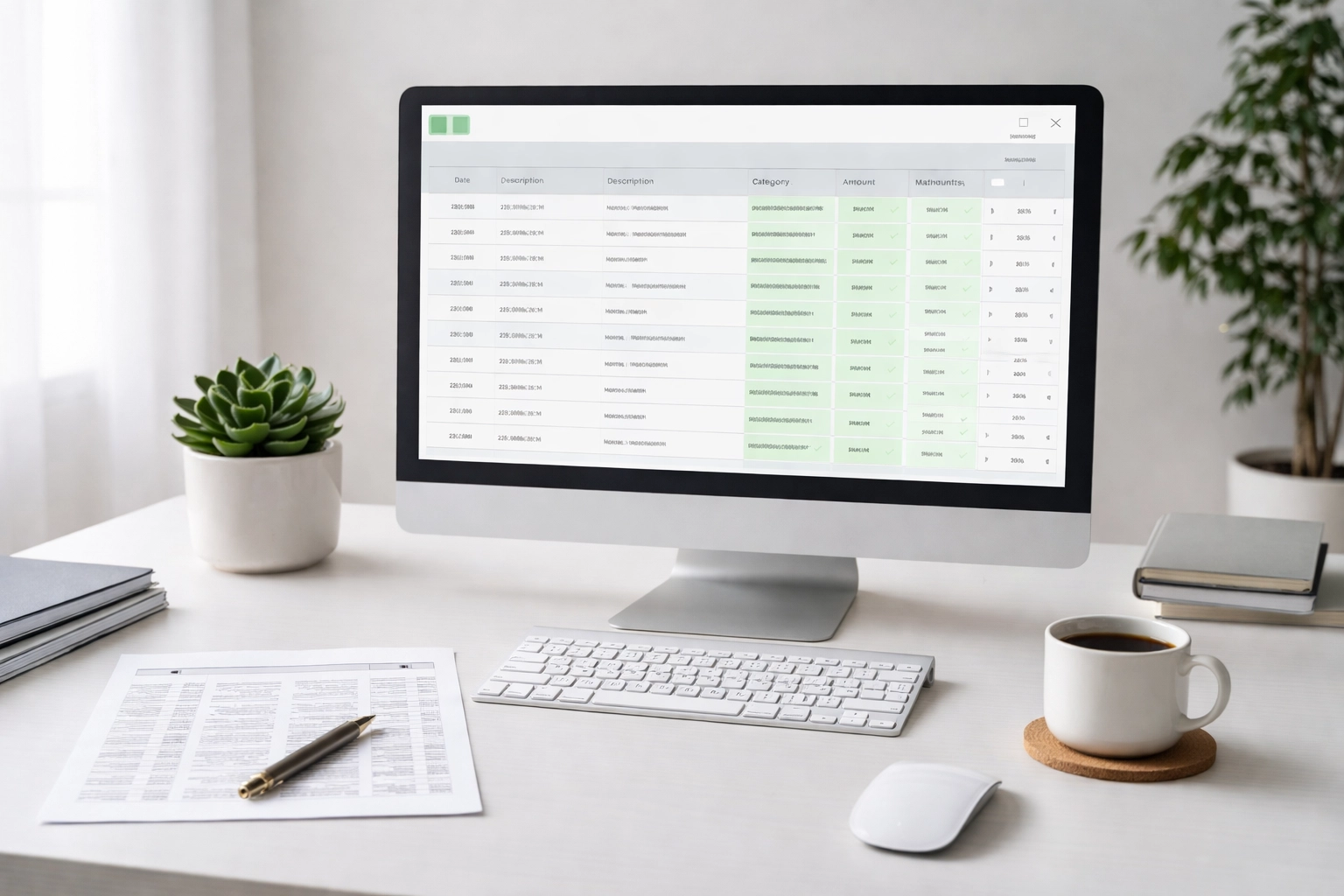
Consistency is the key word here. It doesn't have to be perfect from day one, but it does have to be consistent. Your future self: and your accountant: will thank you when everything lines up neatly at year-end.
5. Stay On Top of Invoices and Bills
Accounts receivable (money owed to you) and accounts payable (money you owe) are the lifeblood of your cash flow. When these get messy, you lose track of who owes you what, when bills are due, and whether you actually have the money you think you have.
Your accountant can't give you accurate financial advice if your receivables and payables are a mystery. And you can't make smart business decisions if you don't know your real cash position.
What staying on top looks like:
- Send invoices promptly and follow up on overdue payments
- Record bills as soon as you receive them, not when you pay them
- Review your aging reports regularly (how long invoices have been outstanding)
- Don't let "I'll deal with it later" become your default mode
This isn't just about organization: it's about understanding the health of your business in real time. Clean books give you that visibility. Messy books keep you guessing.
Why Clean Books Actually Matter
Beyond making your accountant's life easier, clean books do something even more valuable: they give you control.
When your books are accurate and up-to-date, you can:
- Make better decisions : You'll know exactly where your money is going and whether you can afford that new hire, equipment, or expansion.
- Reduce your tax burden : Properly documented and categorized expenses mean you're not leaving deductions on the table.
- Prepare for opportunities : Applying for a loan? Seeking investors? Selling your business someday? Clean books are non-negotiable.
- Sleep better at night : Seriously. Financial clarity is its own kind of peace of mind.

The businesses that struggle most at tax time aren't usually doing anything wrong on purpose. They just let small things slide: mixed accounts here, missing receipts there, reconciliations that got pushed to "next month" for six months straight.
Those small things add up. And by the time they're sitting in front of their accountant, it's a much bigger project than it needed to be.
The Bottom Line
Clean books aren't about being perfect. They're about building habits that keep your finances clear, your records reliable, and your stress levels manageable.
Start with these five things:
- Separate personal and business finances completely
- Save and organize your receipts digitally
- Reconcile your accounts every single month
- Categorize transactions correctly and consistently
- Stay current on invoices and bills
You don't have to overhaul everything overnight. Pick one area that needs the most attention and start there. Small improvements compound over time.
And if you're looking at your books right now thinking, "This is going to take some work": that's okay. That's exactly why we're here. Whether you need help cleaning things up, setting up better systems, or just figuring out where to start, Heritage Advisory & Tax is ready to help you get your financial house in order.
Reach out whenever you're ready. Your future self (and your accountant) will be glad you did.
Let’s find your way to tax and accounting peace of mind
Let us be part of your journey towards success.